Operational Use Scenarios
See how agencies would operate with Justice Compliance in real-world conditions
Justice Compliance is designed around real law enforcement workflows. These scenarios illustrate how agencies of different sizes and responsibilities would use the platform to reduce workload, improve compliance, and increase operational visibility — without changing statutory authority or existing policy.
Filter by Agency Size
Filter by Operational Area
Filter by Operational Challenge
Operational Scenarios
Scenarios illustrate how agencies would use Justice Compliance based on real-world law enforcement workflows.

Small County Sheriff's Office – Registry & Compliance Oversight
Context:
A small sheriff's office manages registry compliance alongside patrol and investigations, with limited staff and manual tracking tools.
Operational Approach with Justice Compliance:
- Centralized registry records and verification history
- Automated compliance reminders and alerts
- Mobile-friendly field documentation
- Supervisor visibility into overdue actions
Operational Impact:
- •Reduced manual tracking
- •Improved deadline adherence
- •More time for field and investigative work

Mid-Size Police Department – Multi-Unit Supervision
Context:
A mid-size department supervises offenders across multiple units, with inconsistent reporting and limited cross-team visibility.
Operational Approach with Justice Compliance:
- Role-based access by unit and assignment
- Standardized workflows for supervision and follow-ups
- Centralized reporting for command staff
- Configurable alerts aligned to department policy
Operational Impact:
- •Consistent supervision practices
- •Fewer missed obligations
- •Improved supervisory oversight

Large Sheriff's Office – Enterprise Registry Operations
Context:
A large sheriff's office manages thousands of registrants across divisions, jurisdictions, and specialized units.
Operational Approach with Justice Compliance:
- Enterprise-scale registry management
- Jurisdiction-specific rules and workflows
- Audit-ready reporting and exports
- Integration with state and internal systems
Operational Impact:
- •Scalable operations without added staff
- •Stronger audit readiness
- •Unified oversight across divisions
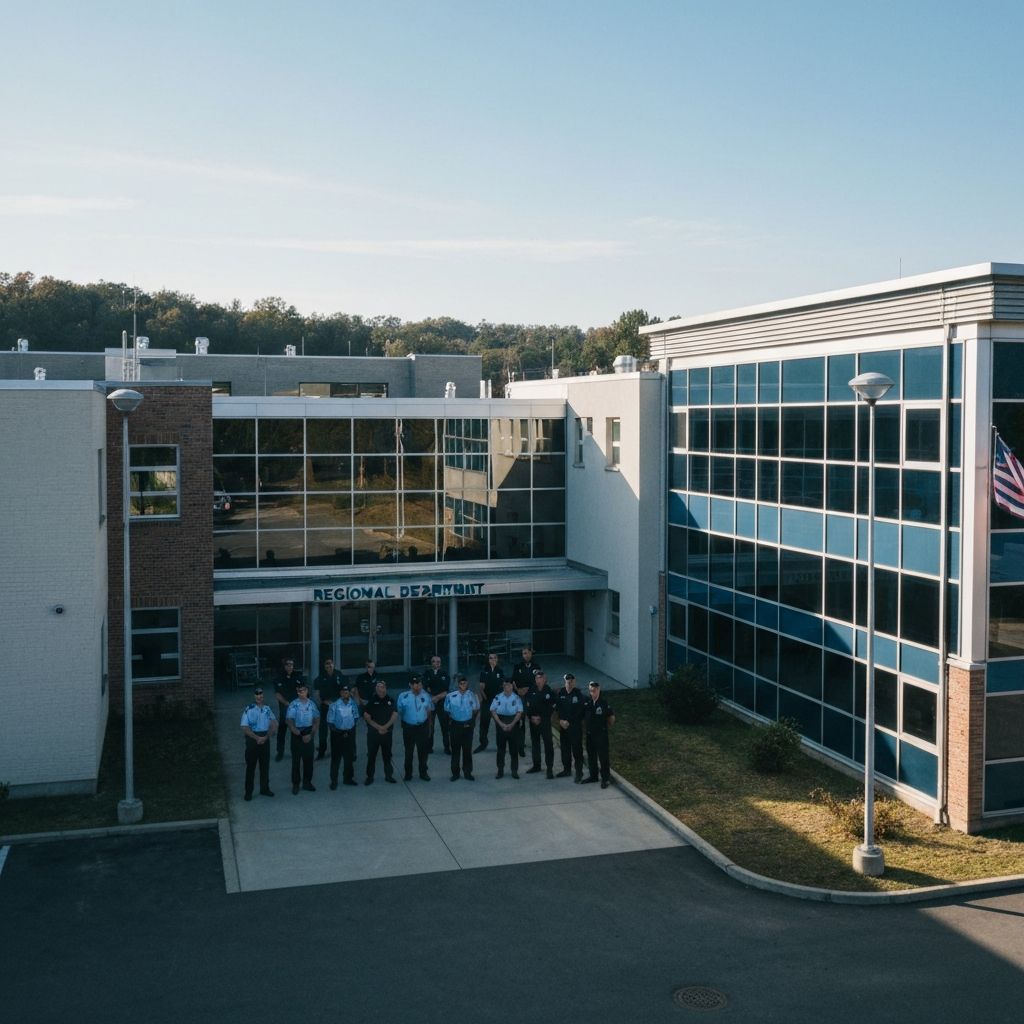
Regional Police Department – Compliance & Reporting
Context:
A regional department needs to maintain SORNA compliance while coordinating with state registries and managing multiple reporting deadlines.
Operational Approach with Justice Compliance:
- Automated deadline tracking and alerts
- State registry integration for data synchronization
- Structured reporting workflows
- Audit trail for compliance reviews
Operational Impact:
- •Timely compliance submissions
- •Reduced administrative burden
- •Enhanced audit readiness
Designed for Real-World Law Enforcement Operations
Justice Compliance scenarios are based on statutory requirements, operational realities, and common challenges faced by agencies nationwide. During a walkthrough, scenarios are tailored to your agency's structure, policies, and jurisdiction.
Request a System Walkthrough